As Ghana’s carbon market takes shape, one question matters: Who gets to participate, who benefits, and whose rights are protected?
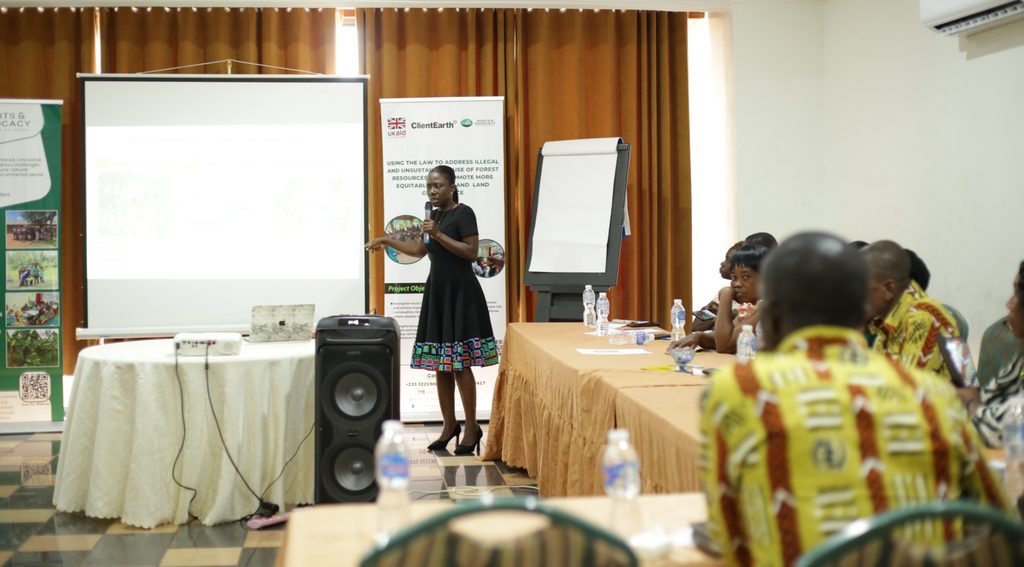
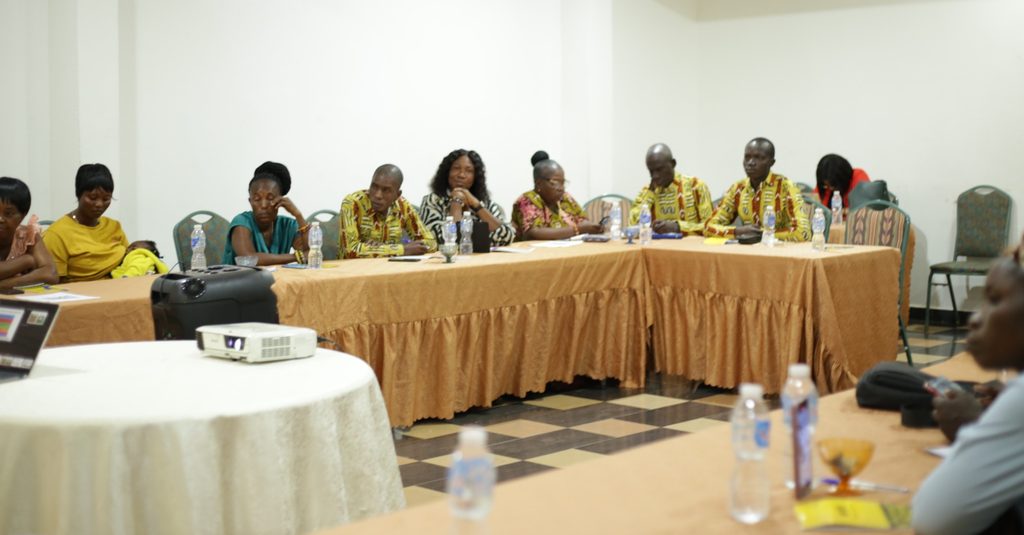
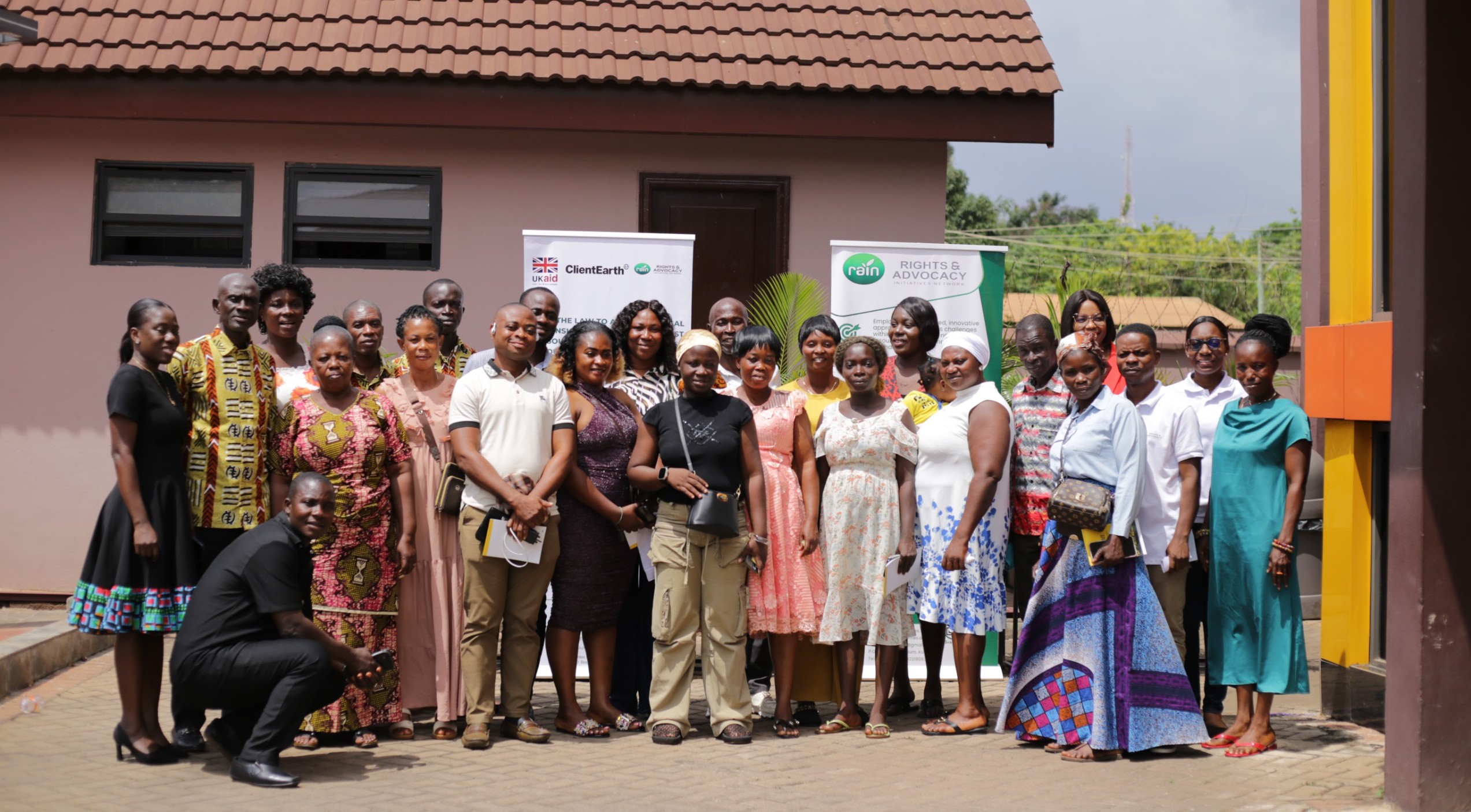
This question was at the heart of a Training of Trainers (ToT) on Carbon Credits and Forest Carbon, organised by RAIN in collaboration with ClientEarth, with support from FCDO Services under the Forest Governance, Markets and Climate Programme (FGMC) 2, in Kumasi.
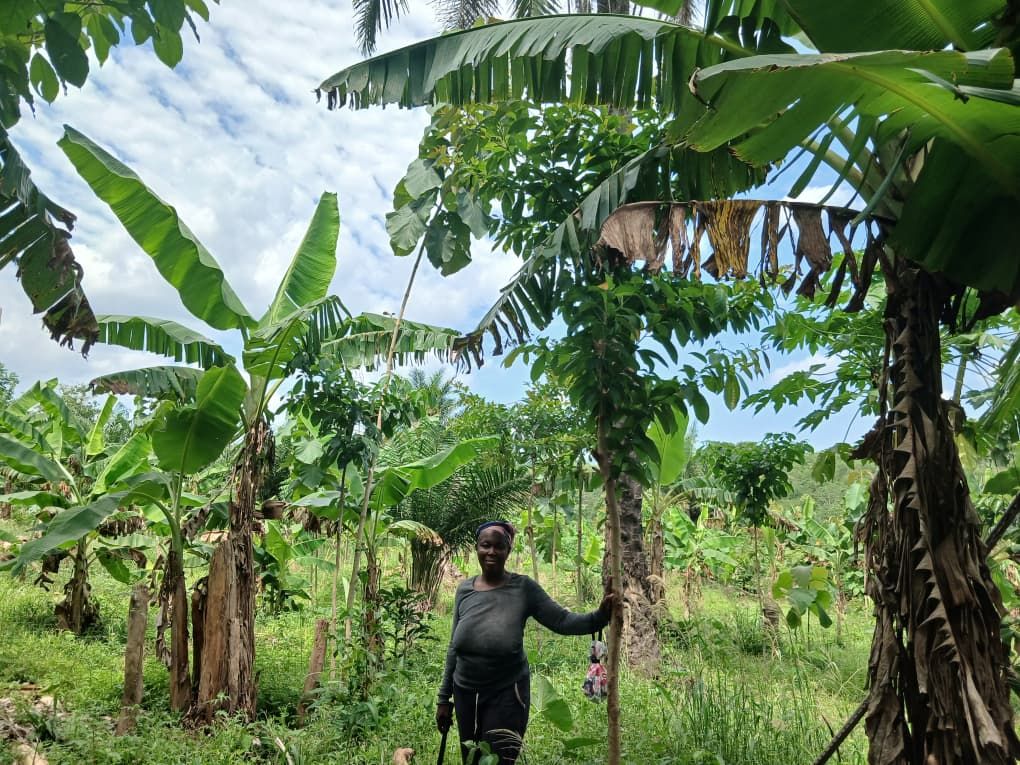
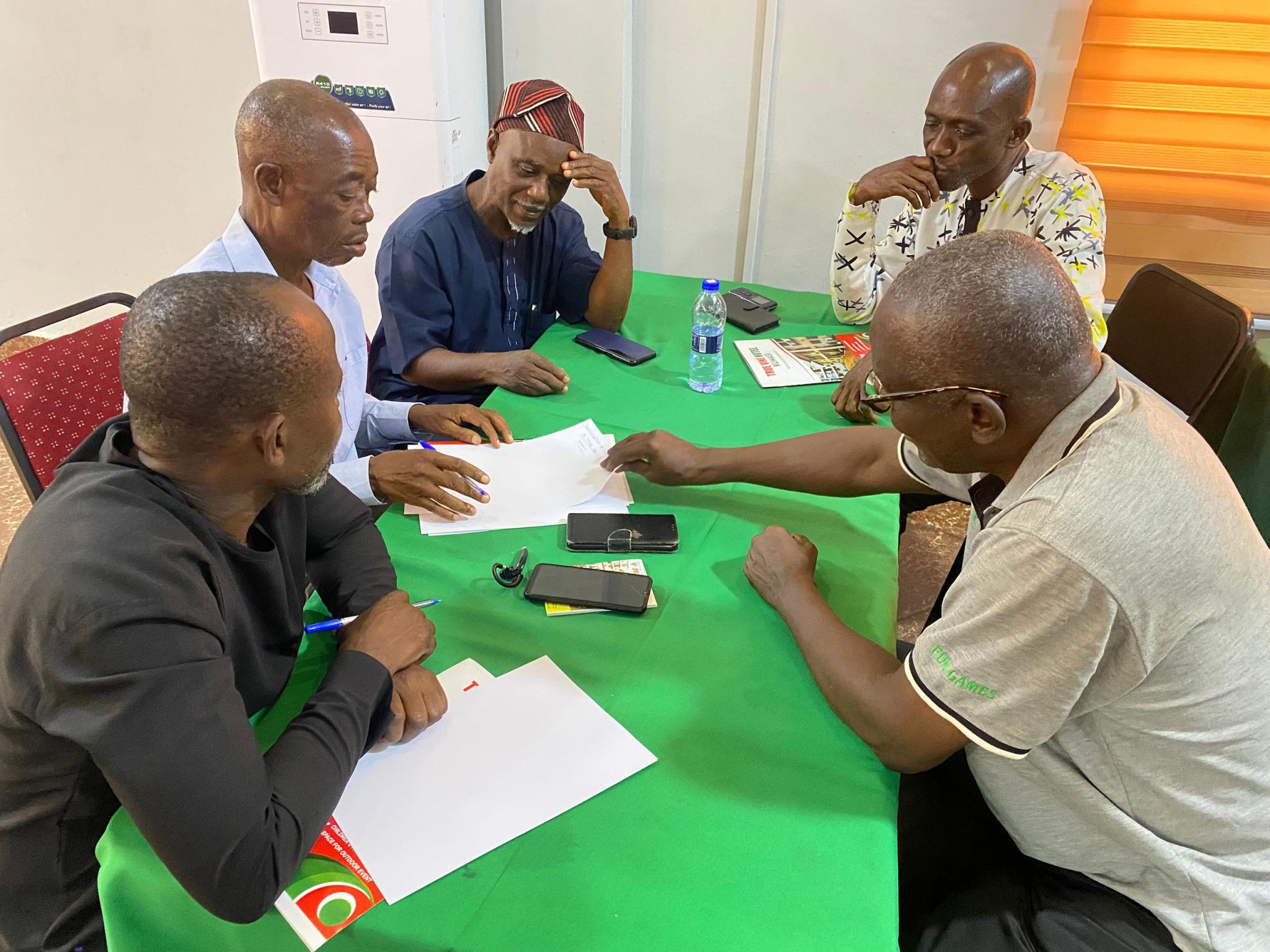
The training brought together 20 Hotspot Intervention Area (HIA) Management Board (HMB) leaders, comprising 11 women and 9 men, for an engaging learning experience focused on forest carbon, carbon rights, benefit sharing, Ghana’s carbon-market framework and community participation.
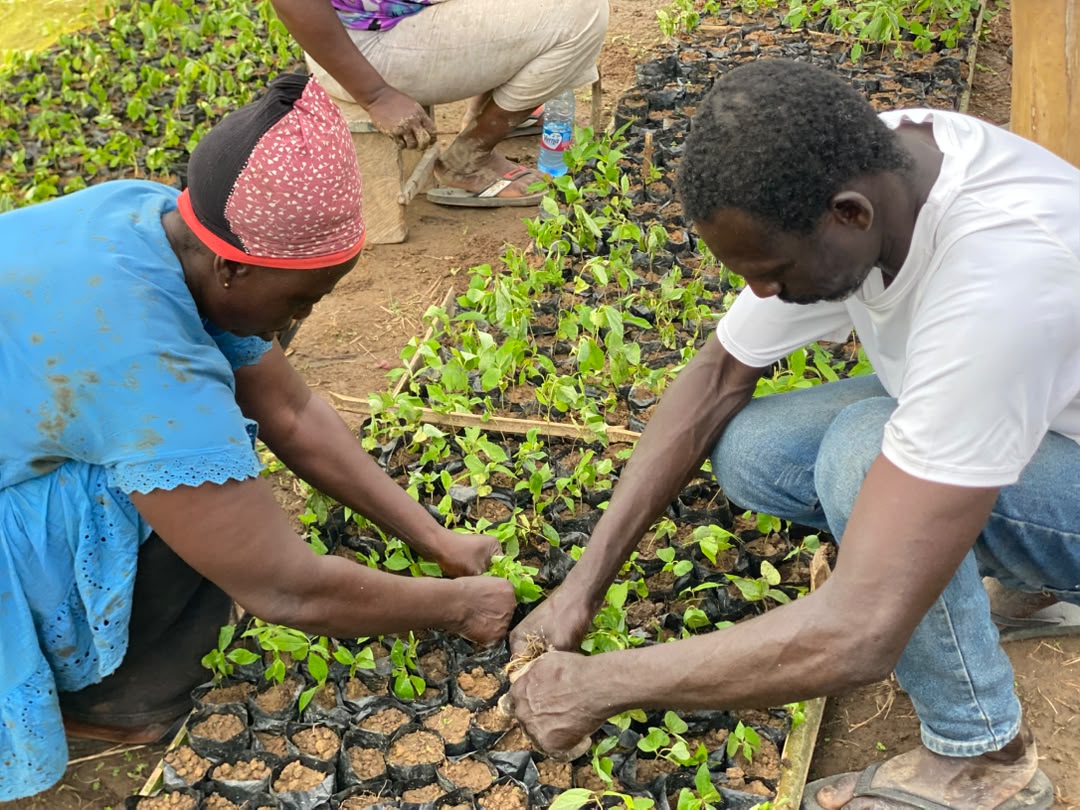
Facilitated by Ms. Sheila Somevi of TaylorCrabbe Initiative and Dr. Daniel Benefoh of the Environmental Protection Authority (EPA), the sessions combined legal and institutional perspectives with practical discussions on tree identification and measurement, carbon transactions, monitoring, verification and safeguards.
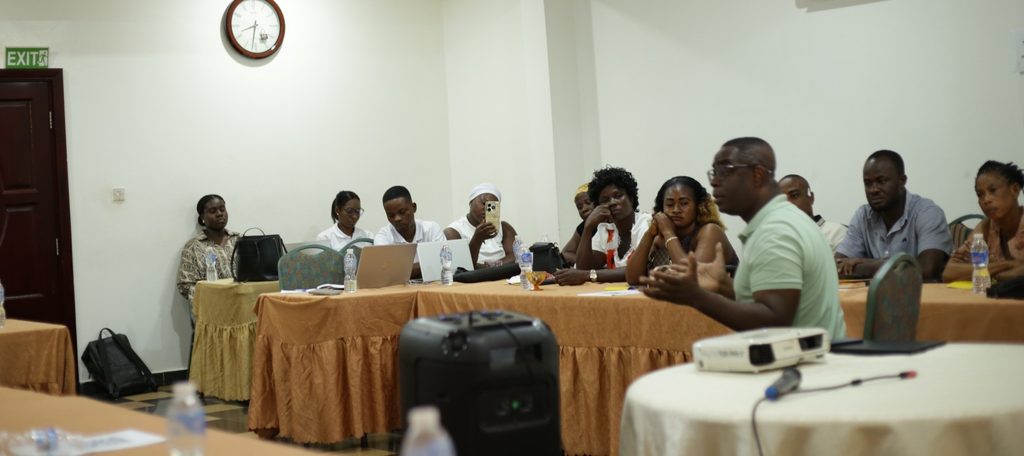
Beyond understanding how carbon credits are generated, participants explored some of the critical issues that determine whether carbon projects serve community interests:
🌱 Carbon rights and benefit sharing: Understanding the relationship between land rights, tree ownership, community contributions and equitable benefit-sharing arrangements.
🌱 Transparency and accountability: Recognising the importance of understanding carbon-related agreements before signing and ensuring that community interests, responsibilities and expected benefits are clearly defined.
🌱 Monitoring and verification: Appreciating the role of accurate measurements, proper documentation and stakeholder participation in maintaining the credibility of carbon-related activities.
🌱 Community safeguards: Identifying potential risks, including forest fires, diseases and logging, and discussing measures to address them.
One important lesson from the discussions was that participation must go beyond simply being present. Communities need access to relevant information, a clear understanding of agreements and opportunities to engage in decisions that affect their resources and potential benefits.
The training also marked the beginning of a broader knowledge-sharing effort. HMB leaders committed to cascading the knowledge gained to fellow HMB members, Sub-HIA Executive Members, CREMA Executives and surrounding communities. Community radio programmes were also identified as a means of reaching a wider audience.
As Ghana continues to develop its carbon market, strengthening the capacity of local governance structures is an important step towards promoting informed participation, protecting community interests and encouraging transparent and accountable carbon initiatives.
At RAIN, we recognise that meaningful community engagement and strong local leadership are essential to ensuring that emerging environmental initiatives are understood by the people whose lives and resources they affect.