Sustainable forest governance is not only about strong policies and regulations. It also requires the active participation of women, men, and youth across the timber value chain.
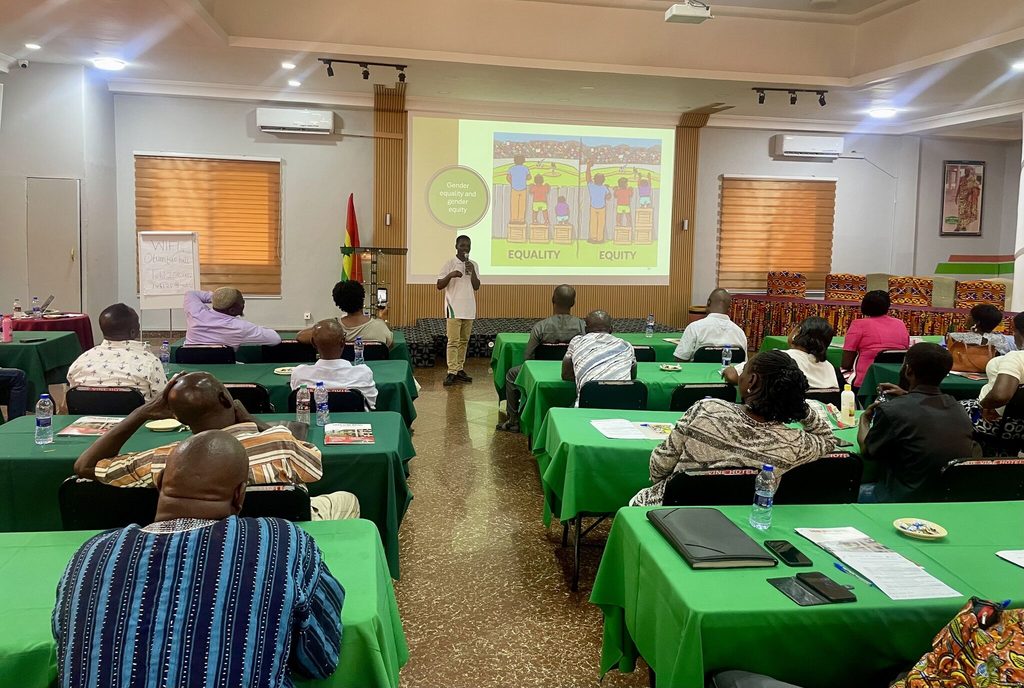
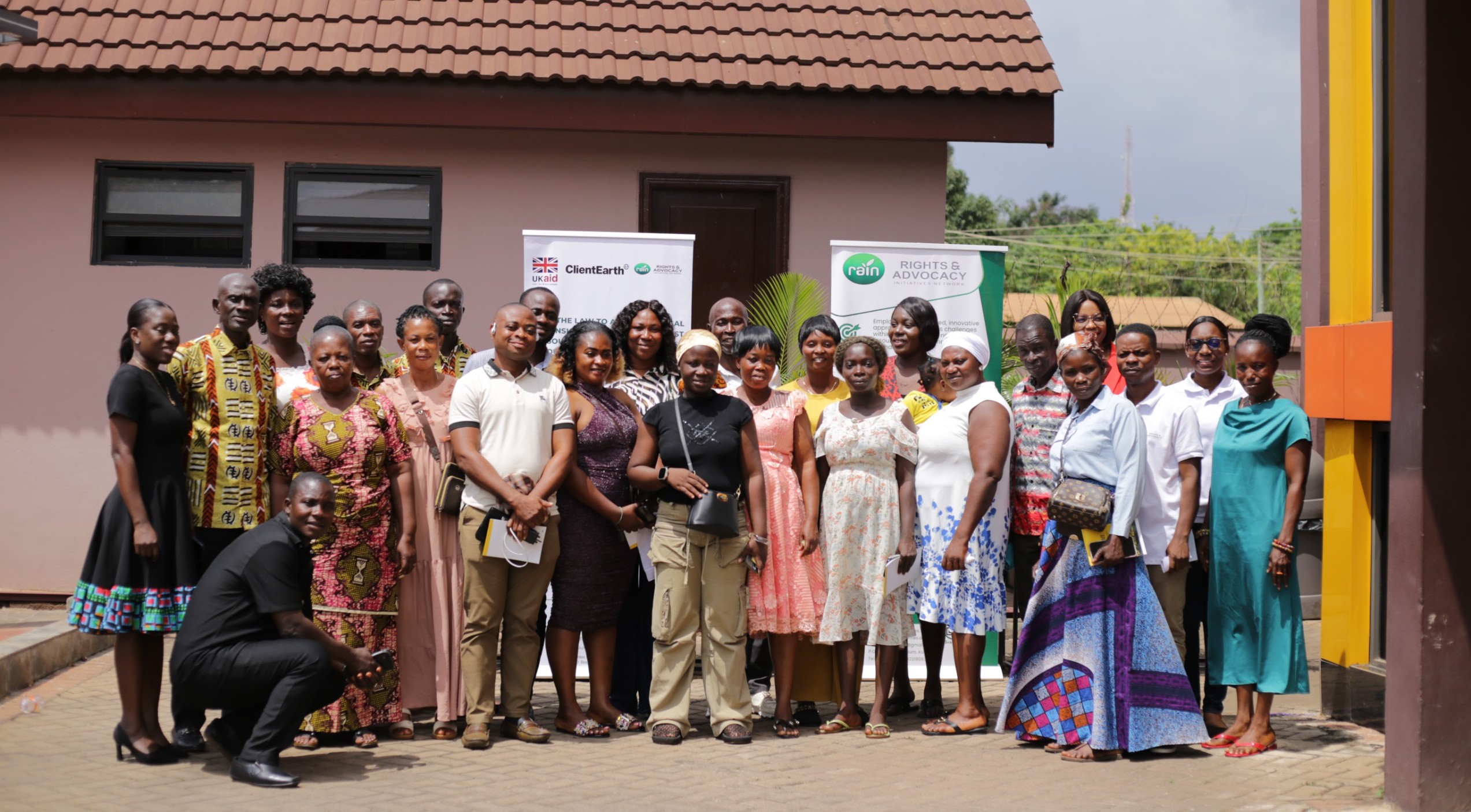
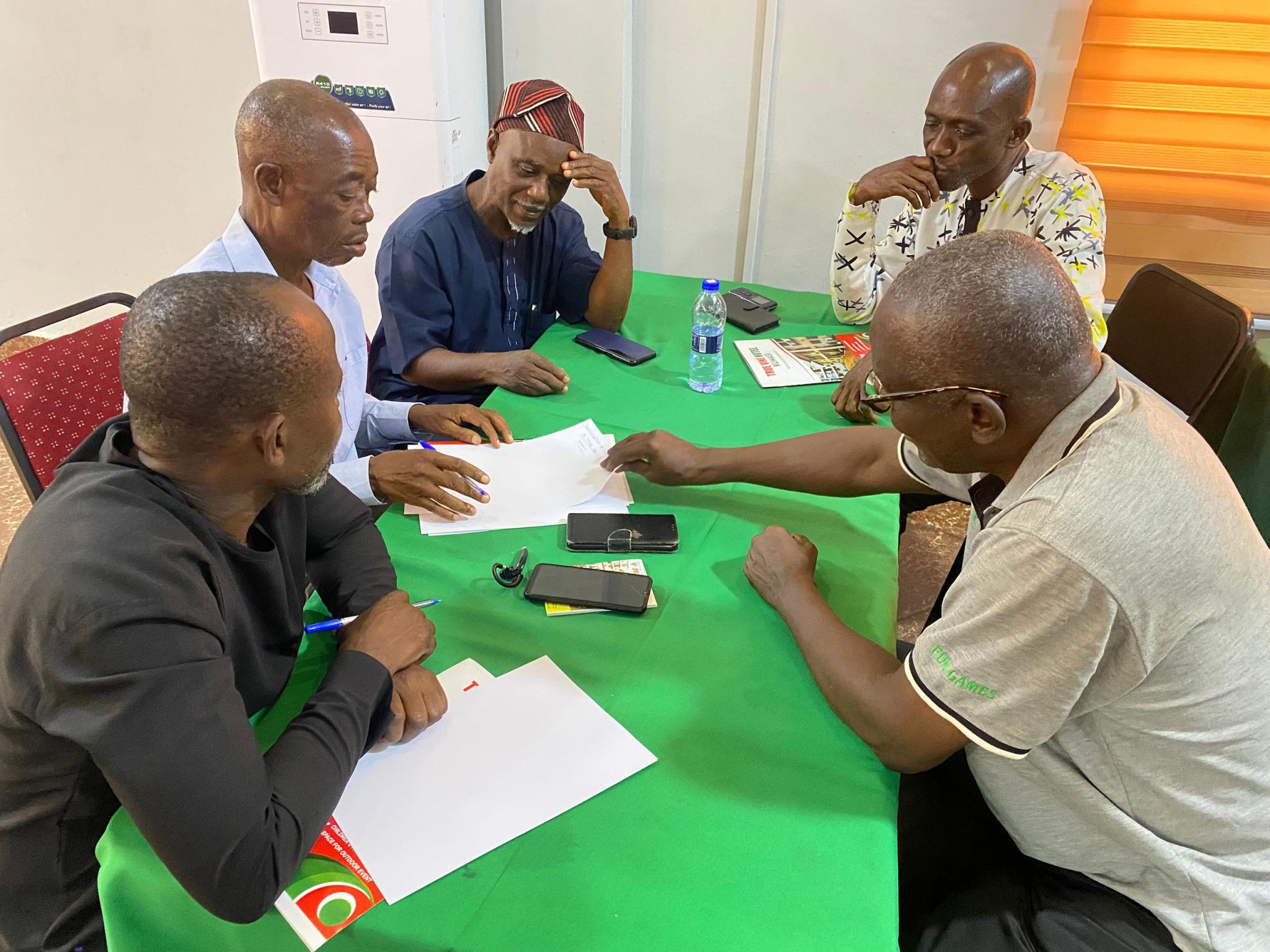
Rights and Advocacy Initiatives Network (RAIN) with support from the European Union in Ghana and the European Forest Institute, organized a Training of Trainers (ToT) on Gender Mainstreaming in Ghana’s Timber Value Chain in Kumasi.
The training was held under the project, “Support to FLEGT-related Multi-Stakeholder Platforms and Non-State Actor Participation in Tree Tenure Reform in Ghana” which is being implemented by a consortium comprising Taylor Crabbe Initiative, Tropenbos Ghana Programme, EcoCare Ghana, Rights and Advocacy Initiatives Network (RAIN), and Nature & Development Foundation.
A total of 30 participants attended the workshop, representing timber operators/traders, millers, processors, furniture makers, handicraft exporters, women-led timber organizations from Ashanti, Central, Western, and Western North Regions.
The sessions covered important topics shaping Ghana’s forestry sector, including the FLEGT-VPA process, the Ghana Legality Assurance System (GhLAS), gender mainstreaming, social inclusion, and ways to strengthen participation in multi-stakeholder decision-making processes.
A key discussion focused on the challenges that limit the participation of women and youth in the timber sector. Participants identified barriers such as limited access to land, finance, training opportunities, leadership positions, and decision-making platforms. They also proposed practical solutions, including mentorship programmes, targeted capacity-building activities, improved access to finance, and increased representation of women and youth in leadership and governance structures.
The training strengthened participants’ understanding that sustainable forest governance and responsible timber trade can only be achieved when all stakeholders have equal opportunities to contribute and participate.
As participants return to their associations to share knowledge and promote change, they are equipped with the skills and commitment needed to advance gender equality, strengthen stakeholder engagement, and support a more inclusive and sustainable timber sector in Ghana.
☘️ Together, we can build stronger institutions, empower local actors, and promote more equitable forest governance.