Forest restoration cannot be sustained by planting trees alone. The communities living around forests interact with the landscape every day. Farmers depend on land for food and income, while forests provide ecological services that benefit communities far beyond the boundaries of individual farms.
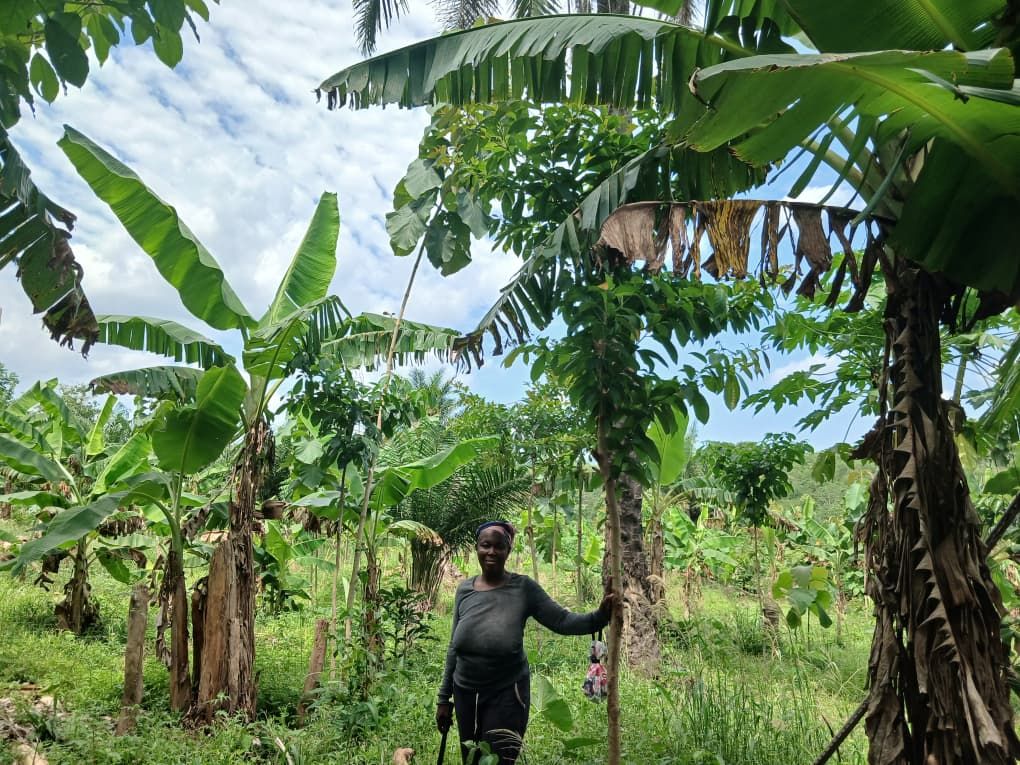
Through the Modified Taungya System, farmers are involved in restoring forest areas while undertaking agricultural activities that support their livelihoods. The approach creates an opportunity to combine tree establishment with productive land use while encouraging greater community involvement in the long-term restoration of degraded areas.
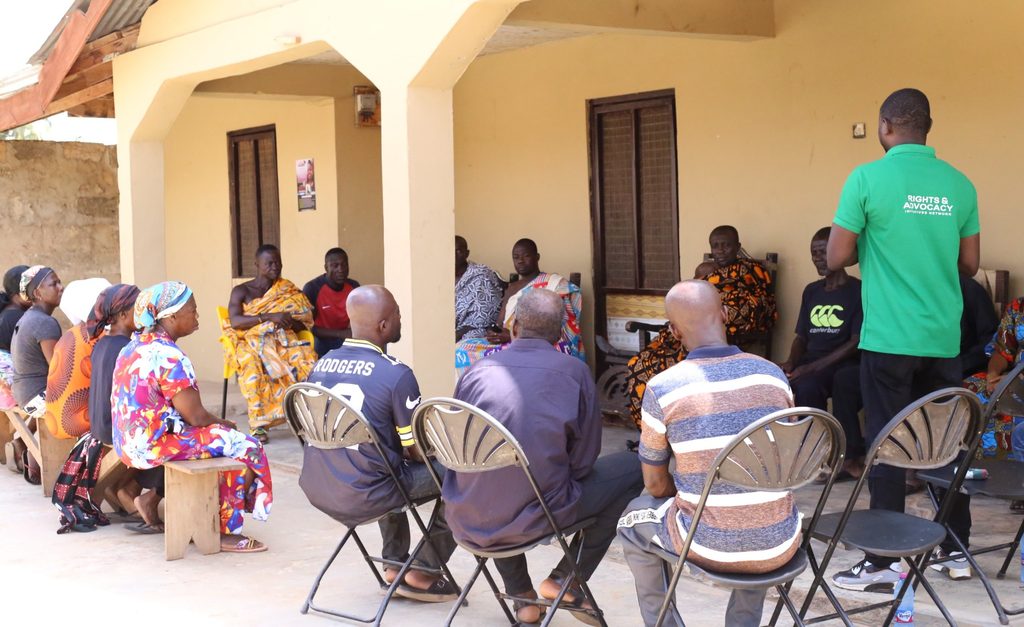
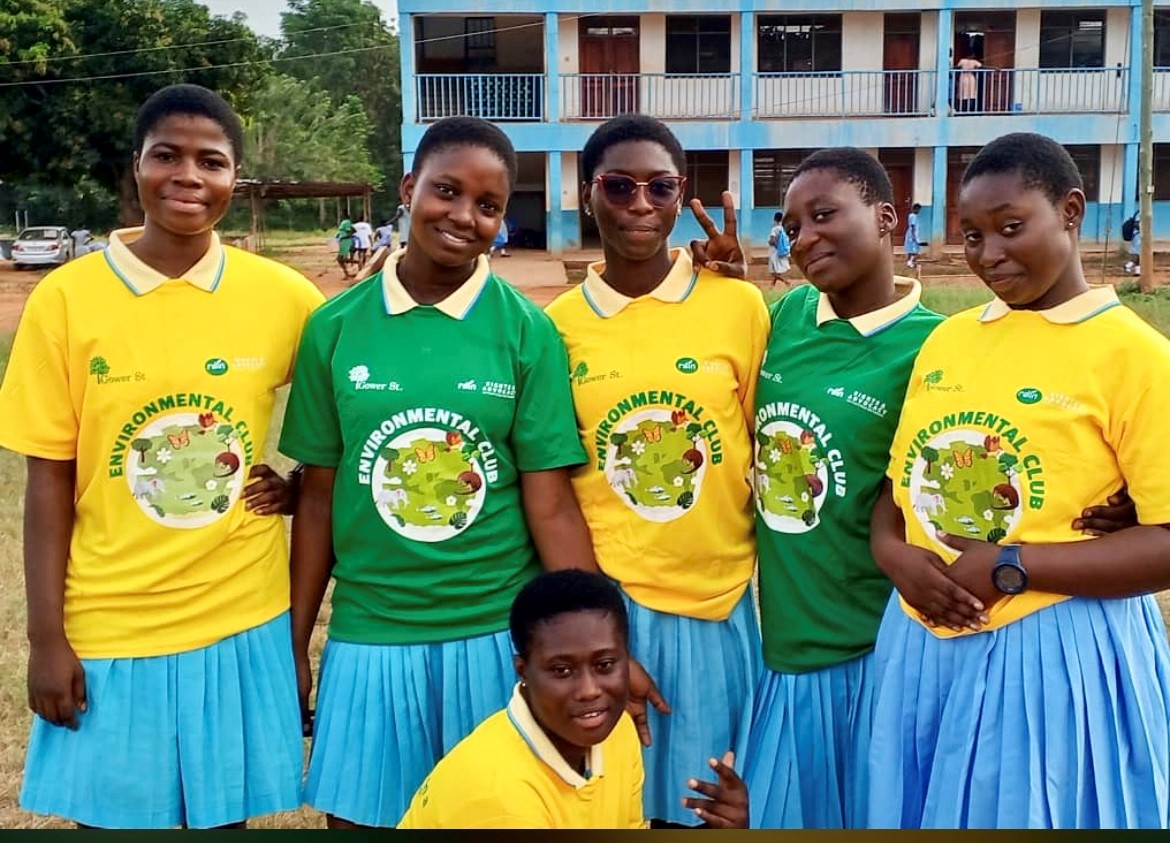
Women and young people are also an important part of this approach. Their participation helps broaden who is involved in restoration and creates opportunities for different groups within communities to contribute their knowledge, labour and ideas.
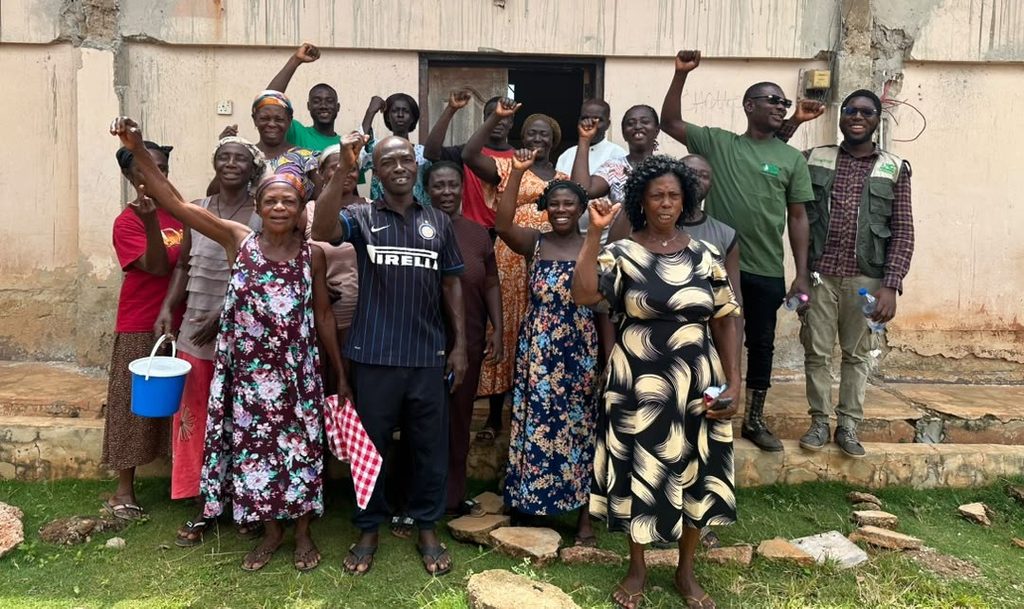
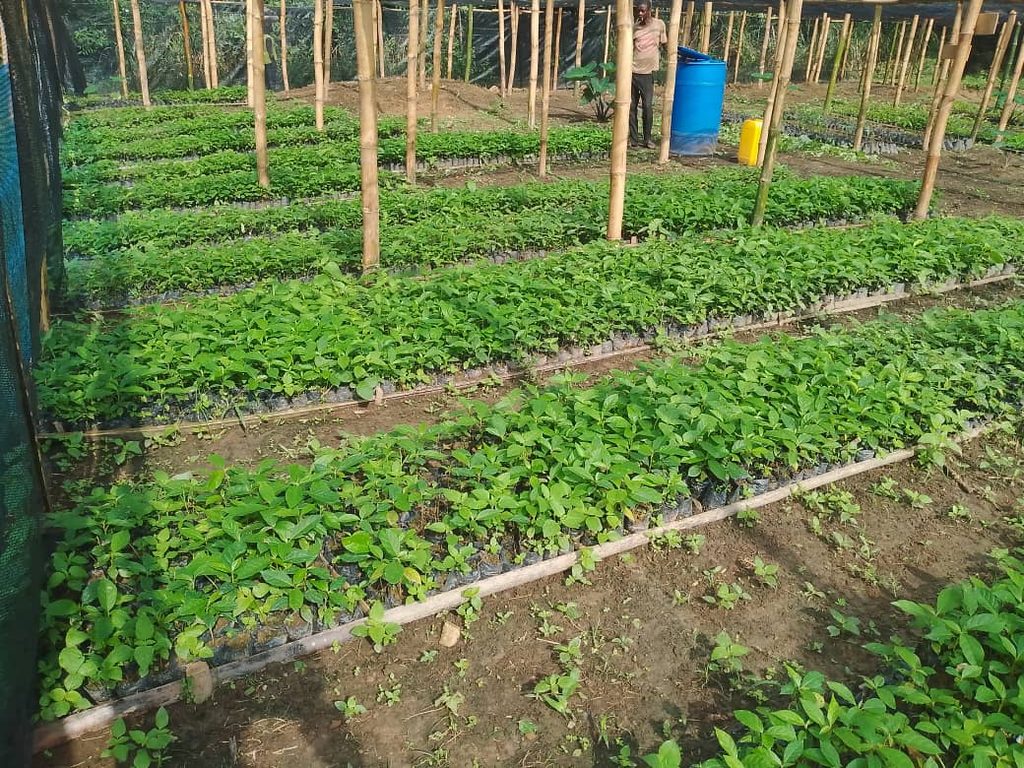
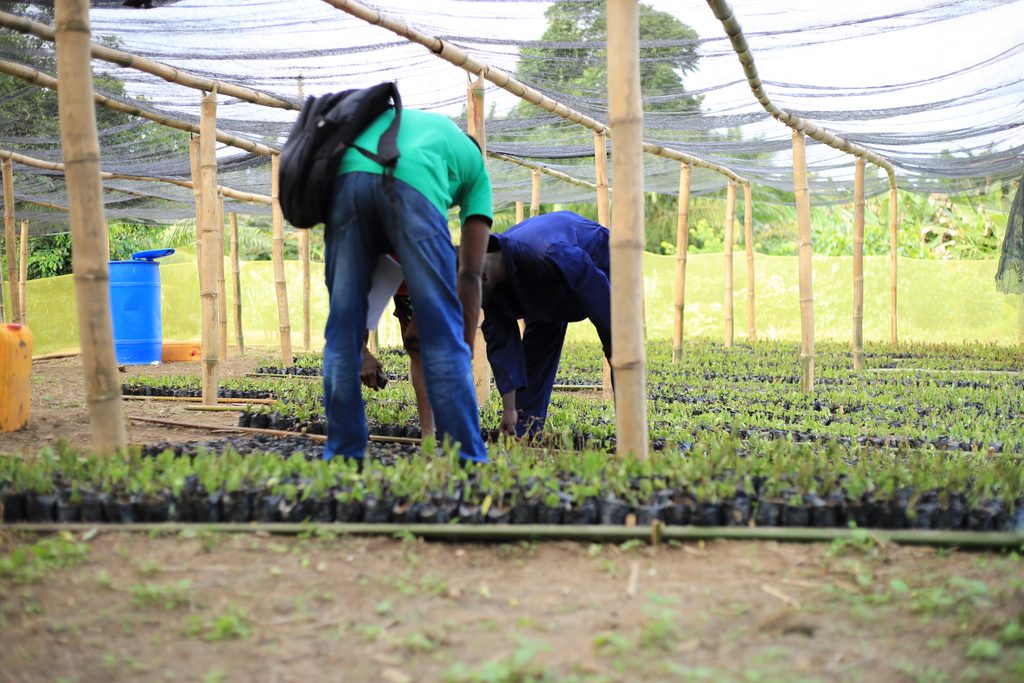
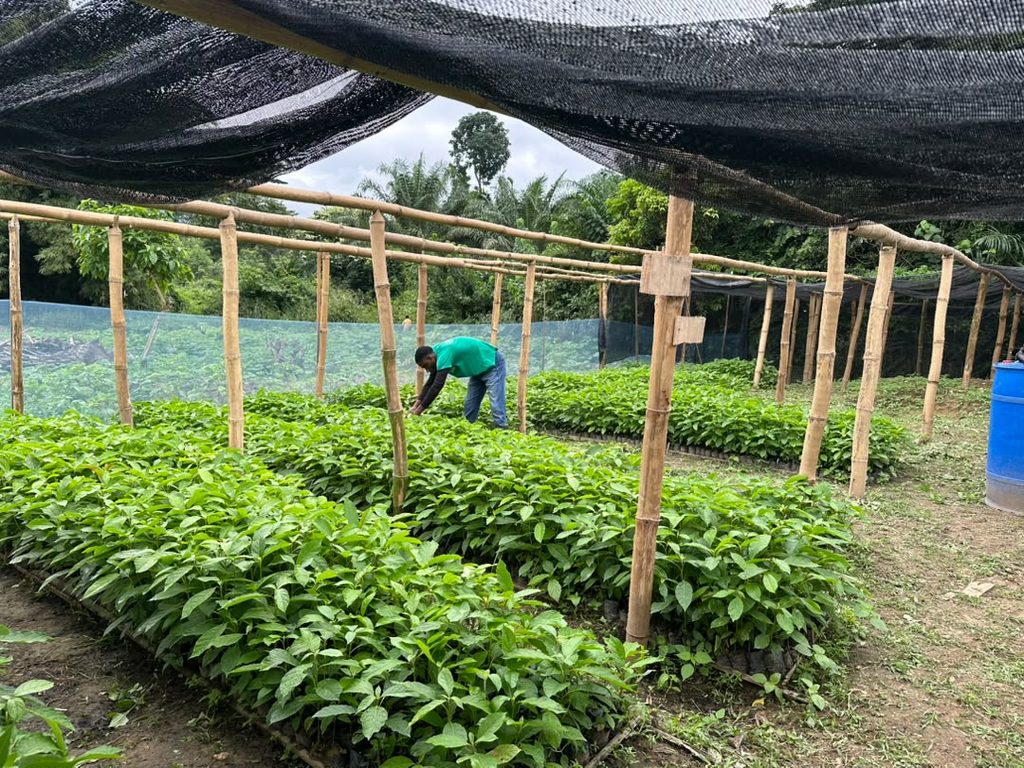
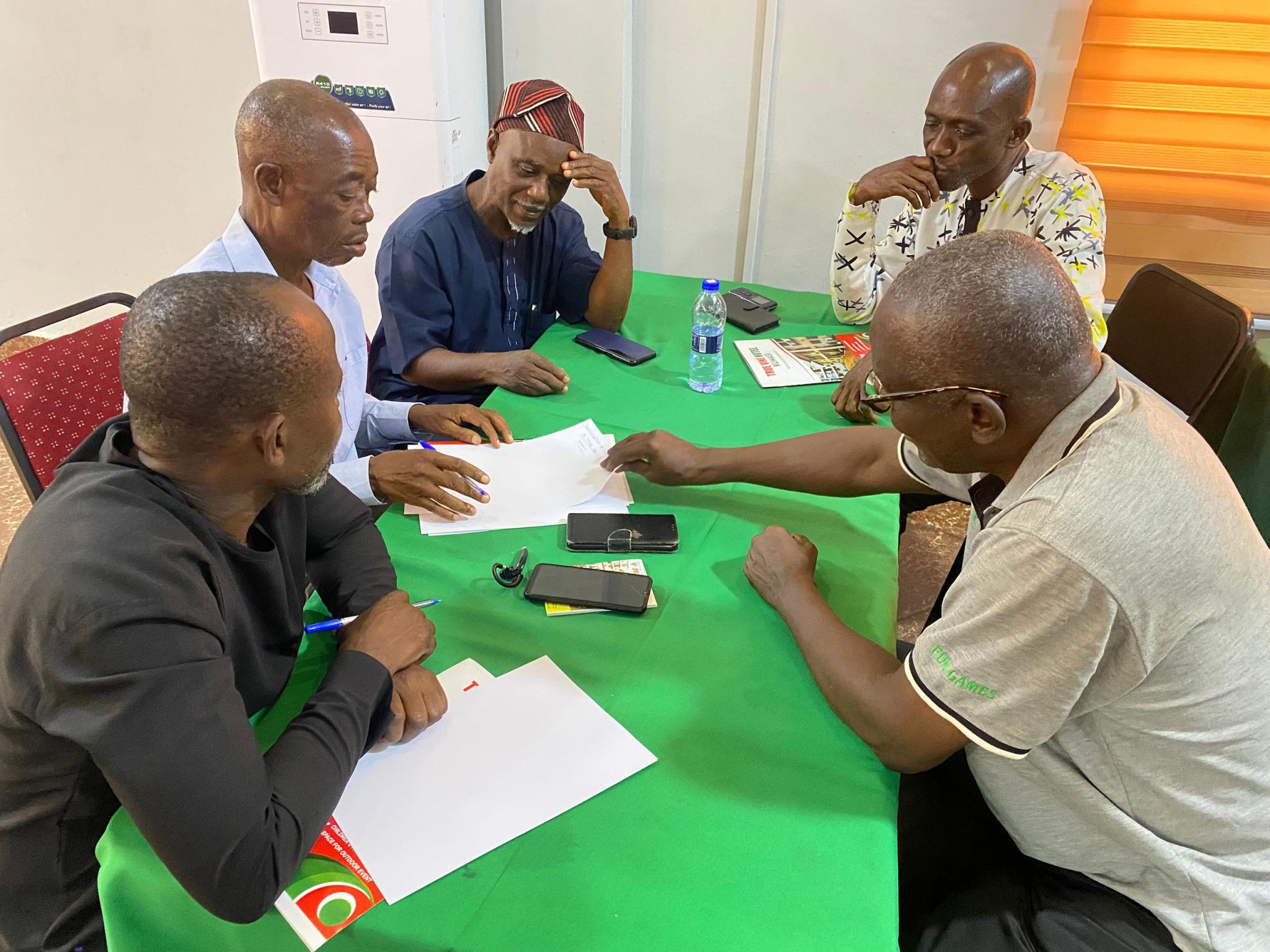
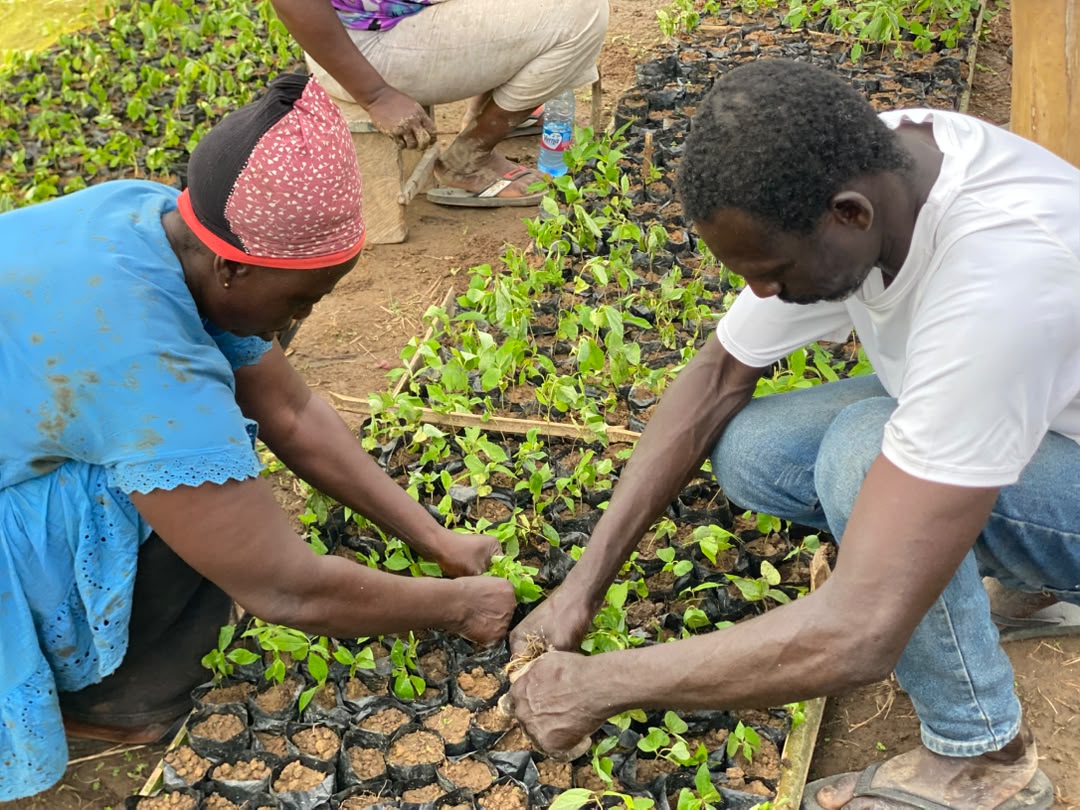
Through continuous engagements, farmers got to understand the restoration area, establish the necessary nursery systems, prepare land and develop the monitoring processes that would support implementation over the years ahead. Approximately 15,000 seedlings of indigenous species including Wawa, Ofram, Emire, and Cedrela is being nurtured for eventual establishment in the restoration landscape. Managing a nursery may appear far removed from restoring a forest, but it is an essential part of the process. Seedlings must be carefully nurtured, monitored and prepared before they can withstand conditions in the field.
This initiative is implemented in the Fum Headwaters Forest Reserve and fringing communities in the Bosome Freho District of Ghana and supported through the TerraFund for AFR100. Which is led by the World Resources Institute (WRI) in partnership with Vumbuzi Impact Africa (VIA) Foundation, One Tree Planted and Realize Impact.